
Feeling fatigued by high grocery prices and wondering what to whip up for dinner with leftover veggies from your fridge? Look no further! You don't need expensive takeout to enjoy a soul-warming, restaurant-quality meal at home.
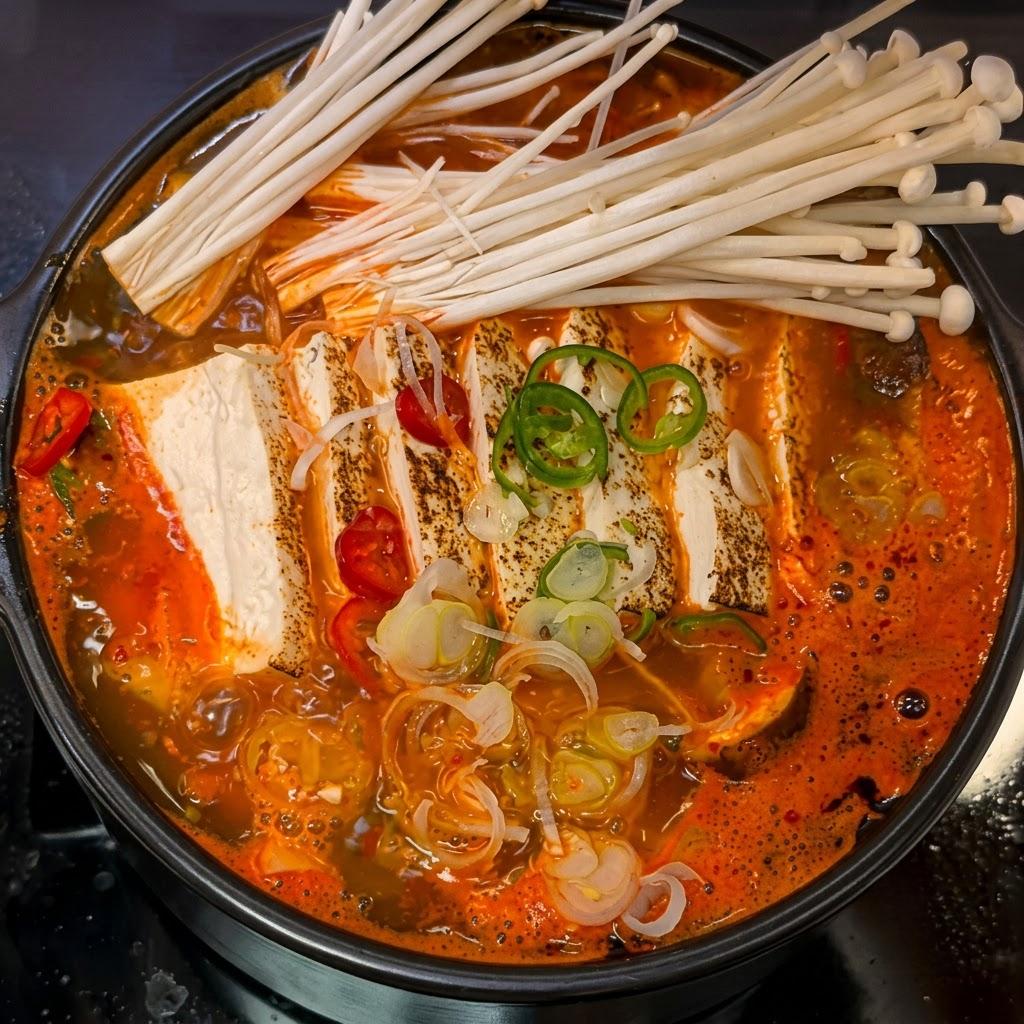
Today, we're making Authentic Gochujang Stew (Gochujang Jjigae)—a beloved classic in Korean home cooking. Loaded with savory pork belly, tender potatoes, fresh vegetables, and silken tofu, this soup features a rich, umami-packed broth built on authentic Korean chili paste. While many simple stews can turn out watery or flat, we’re sharing a game-changing chef's secret technique: searing the pork and veggies before simmering. This quick step creates a deeply layered, aromatic broth that will blow you away!
Why You'll Love This Gochujang Stew
"Budget-friendly, ultra-comforting, and exploding with rich spicy goodness!"
The magic of Gochujang Stew lies in how pork fat, sweet caramelized vegetables, and savory fermented chili paste meld together into an addictive broth. Spooned over a warm bowl of white rice, it’s absolute perfection for busy weeknights.
- Estimated Cost per Serving: Approx. $2.50–$3.20 (US grocery standard)
- Total Cook Time: 20 Minutes
- Budget Pro-Tip: Use affordable pork cuts like pork belly slices, shoulder, or even canned Spam (South Korea). Feel free to clear out your crisper drawer—potatoes, zucchini, onions, and any mushrooms work wonderfully!
🛒 Ingredients & Substitutions (Per Serving)
No need for a special grocery run! These are simple, everyday ingredients you likely already have in your pantry. If you’re missing anything, just check out the handy substitution tips below!
[Main Ingredients]
- Pork Belly Slices: 3.5 oz / 100g (Substitutions: Pork shoulder, thin pork chops, or canned Spam (South Korea))
- Potato: 1 medium, diced (Substitutions: Russet potato, Yukon gold, or sweet potato)
- Zucchini: 1/3 medium, sliced into half-moons (Substitutions: Yellow squash or eggplant)
- Yellow Onion: 1/2 medium, chopped
- Mushrooms (Shiitake, Beech, or Enoki): 1.5 oz / 40g (Substitutions: Cremini or button mushrooms)
- Tofu: 1/2 block, thick slices or cubes
- Green Onion & Green Chili Pepper: Chopped, for garnish
[Broth & Seasonings]
- Gochujang (Korean Chili Paste) (South Korea): 1.5 tbsp
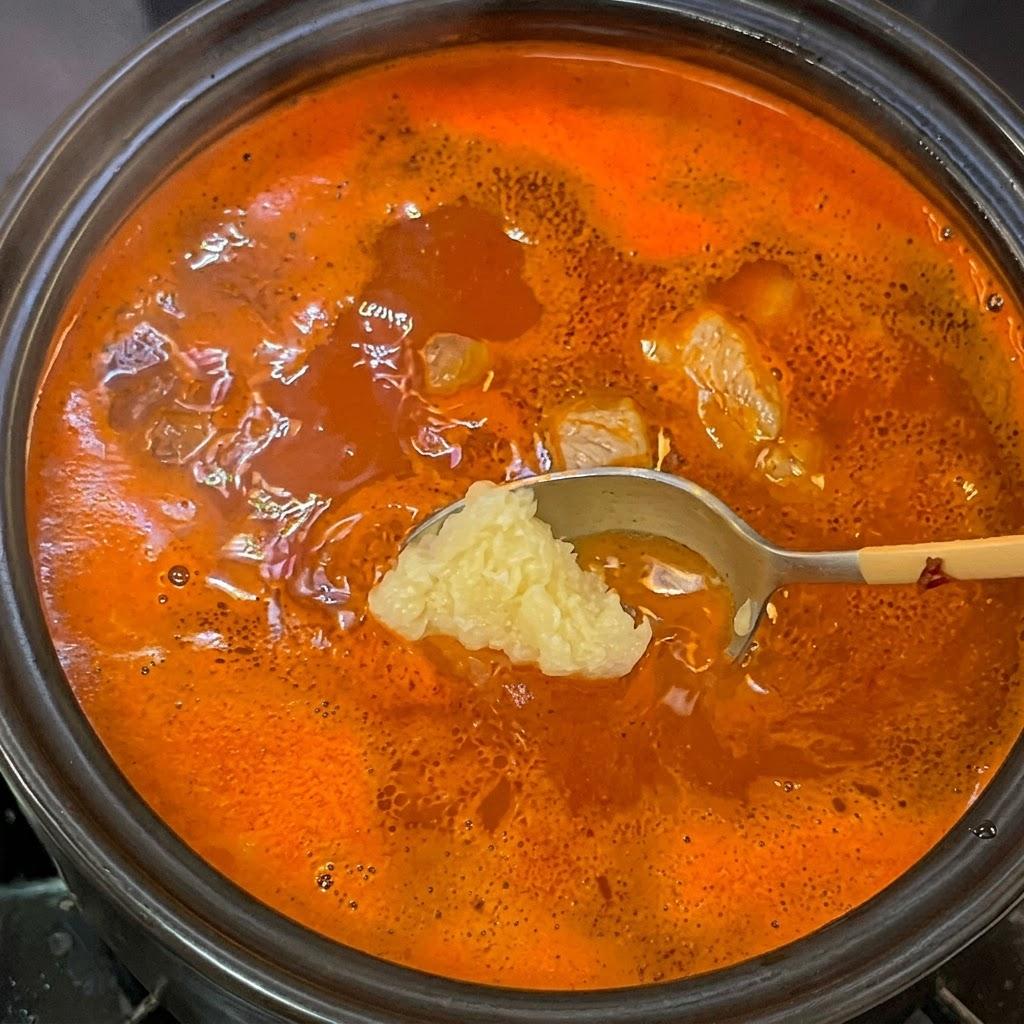
- Minced Garlic: 1 tbsp
- Gochugaru (Korean Chili Flakes) (South Korea): 1 tbsp
- Korean Fish Sauce or Tuna Sauce (South Korea): 1 tbsp (Substitution: Soy sauce or Tamari)
- Salt & Black Pepper: To taste
- Water or Anchovy Stock: 1.5–2 cups (400–500ml)
📊 Estimated Nutritional Info (Per Serving)
- Calories: ~430 kcal
- Protein: 24g
- Fat: 26g
- Carbohydrates: 28g
- Sodium: 890mg
🍳 Step-by-Step Instructions
As long as you manage the heat and get the timing of the seasonings right, anyone can get restaurant-quality results at home! Let’s get cooking!♪
Step 1: Prep Veggies & Sear Pork Belly
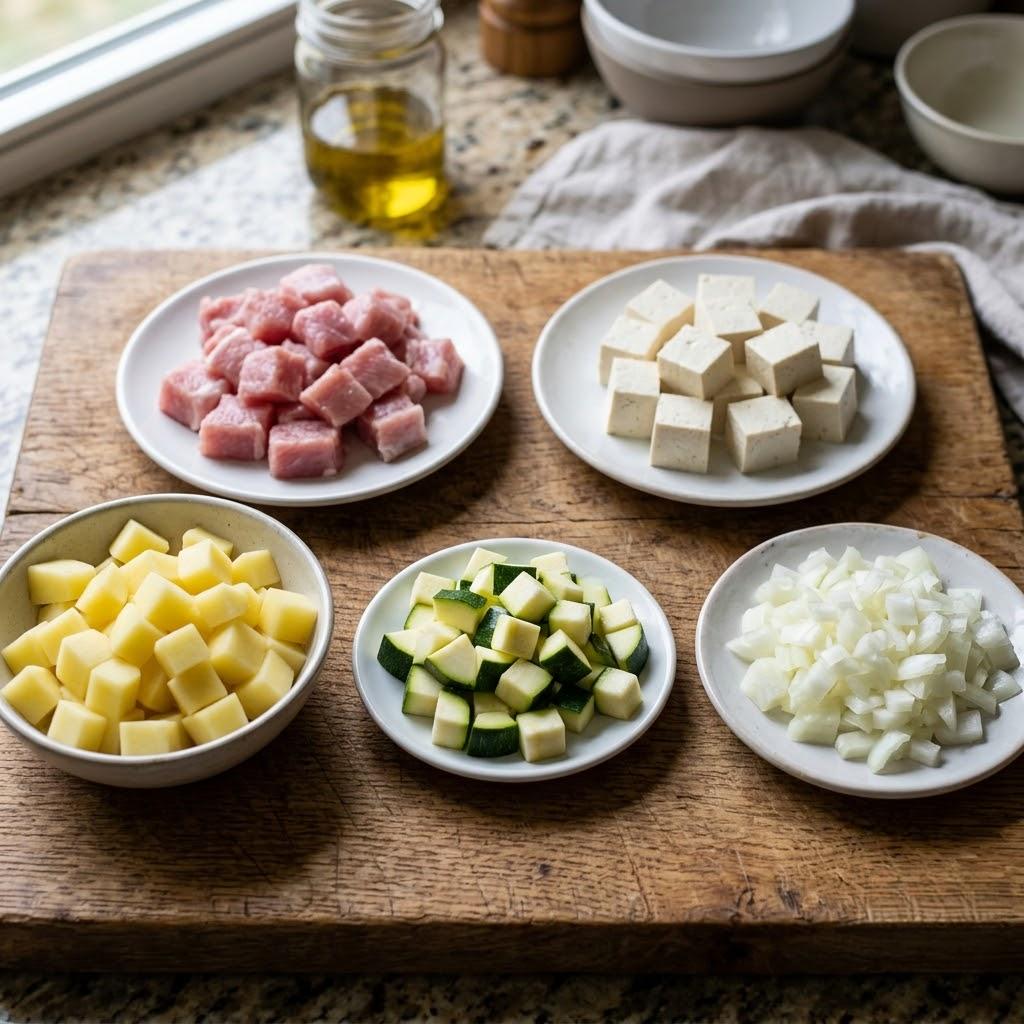
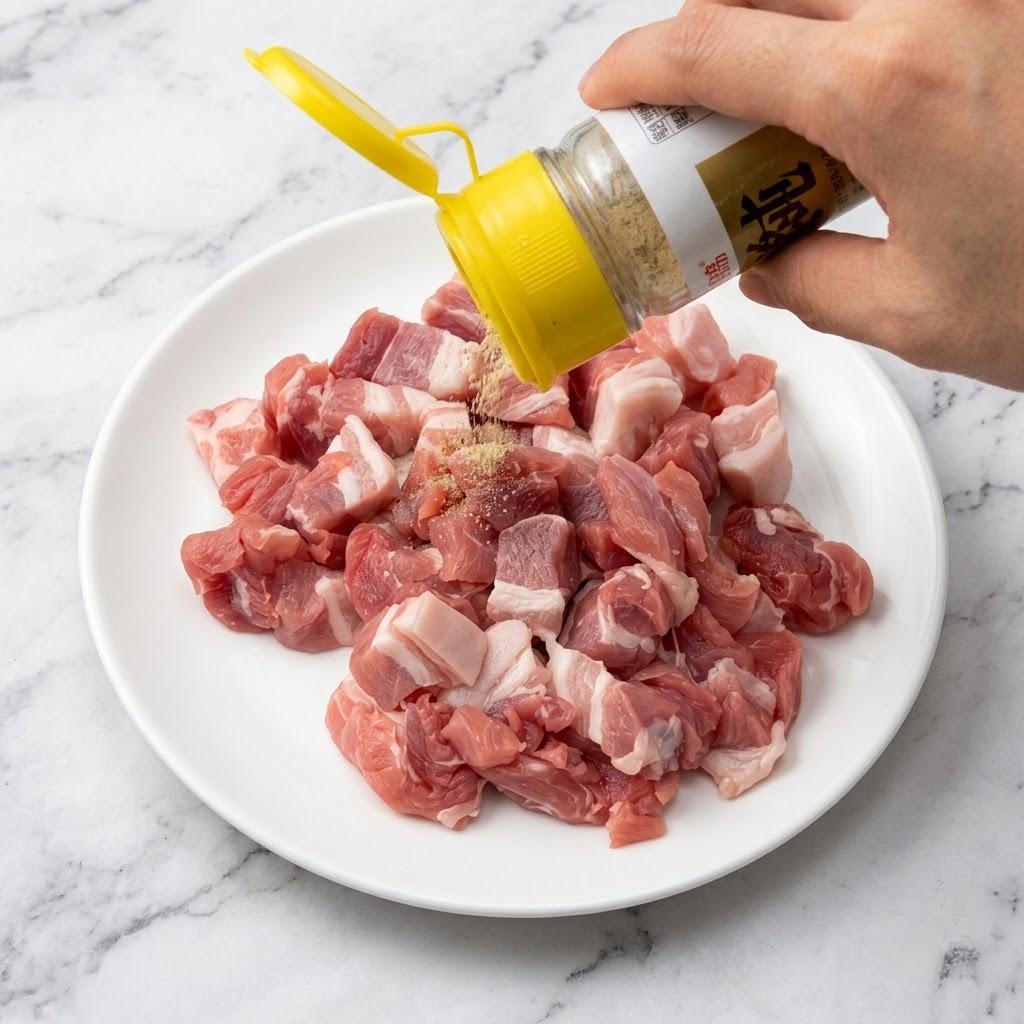
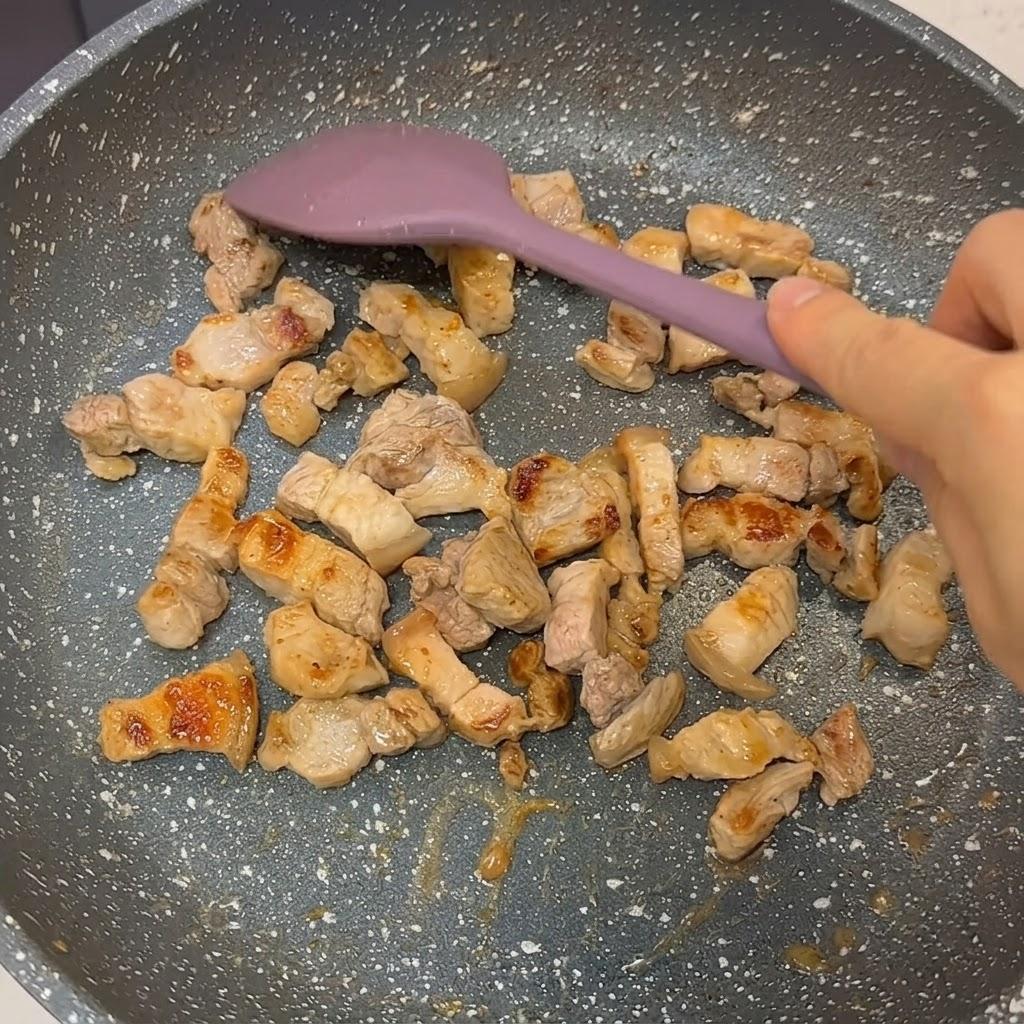
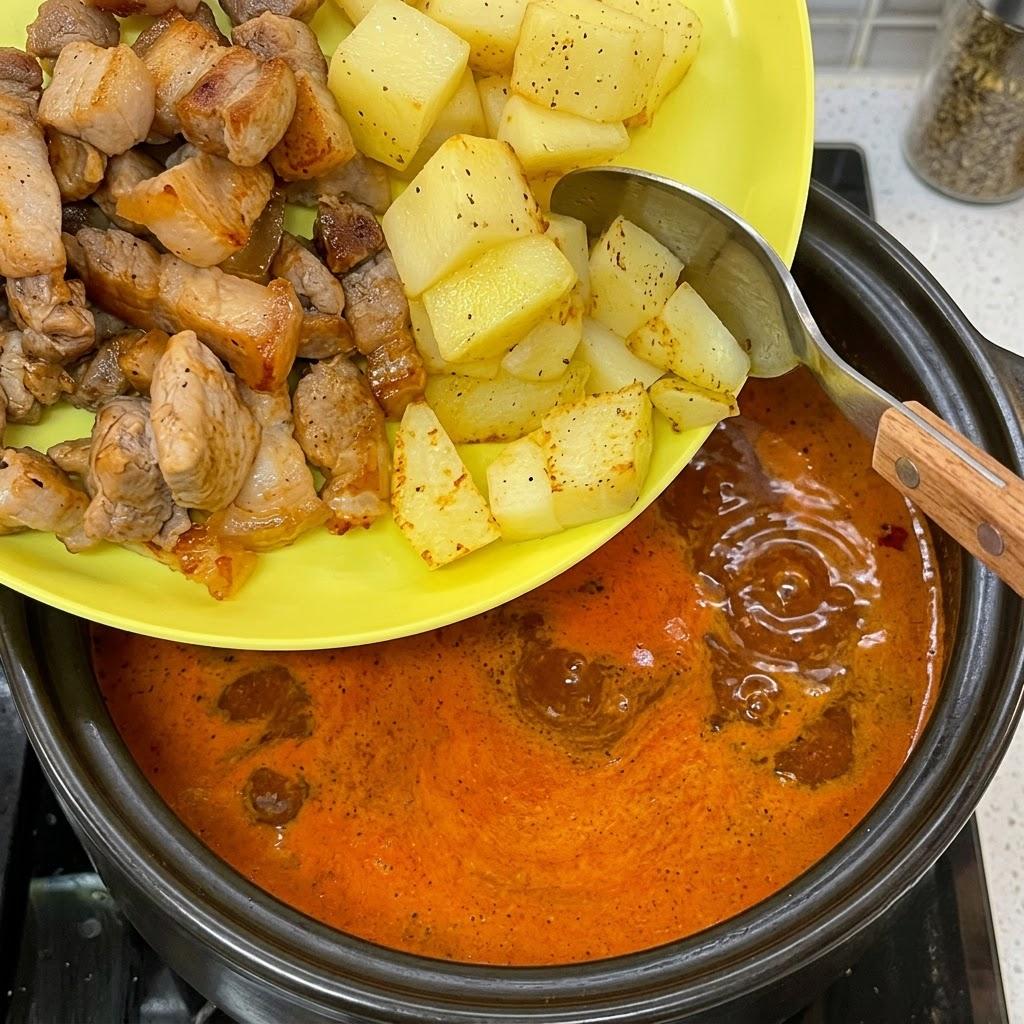
Cut pork, potato, zucchini, onion, and tofu into bite-sized pieces. Heat a skillet over medium-high heat. Season pork belly with a pinch of salt and black pepper, then sear until golden brown and crispy. Once rendered, set the pork aside on a plate, leaving the flavorful rendered fat in the pan.
Step 2: Sear the Vegetables (The Flavor Multiplier)
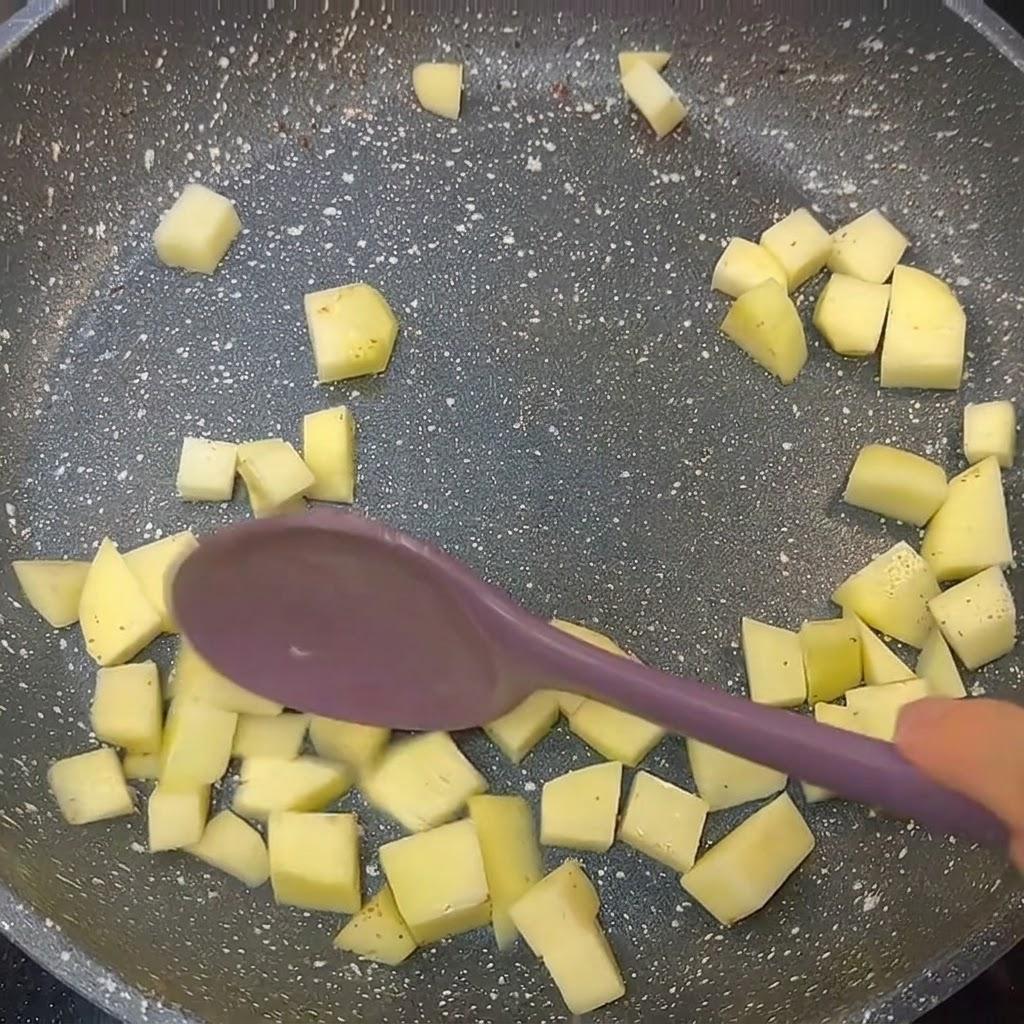
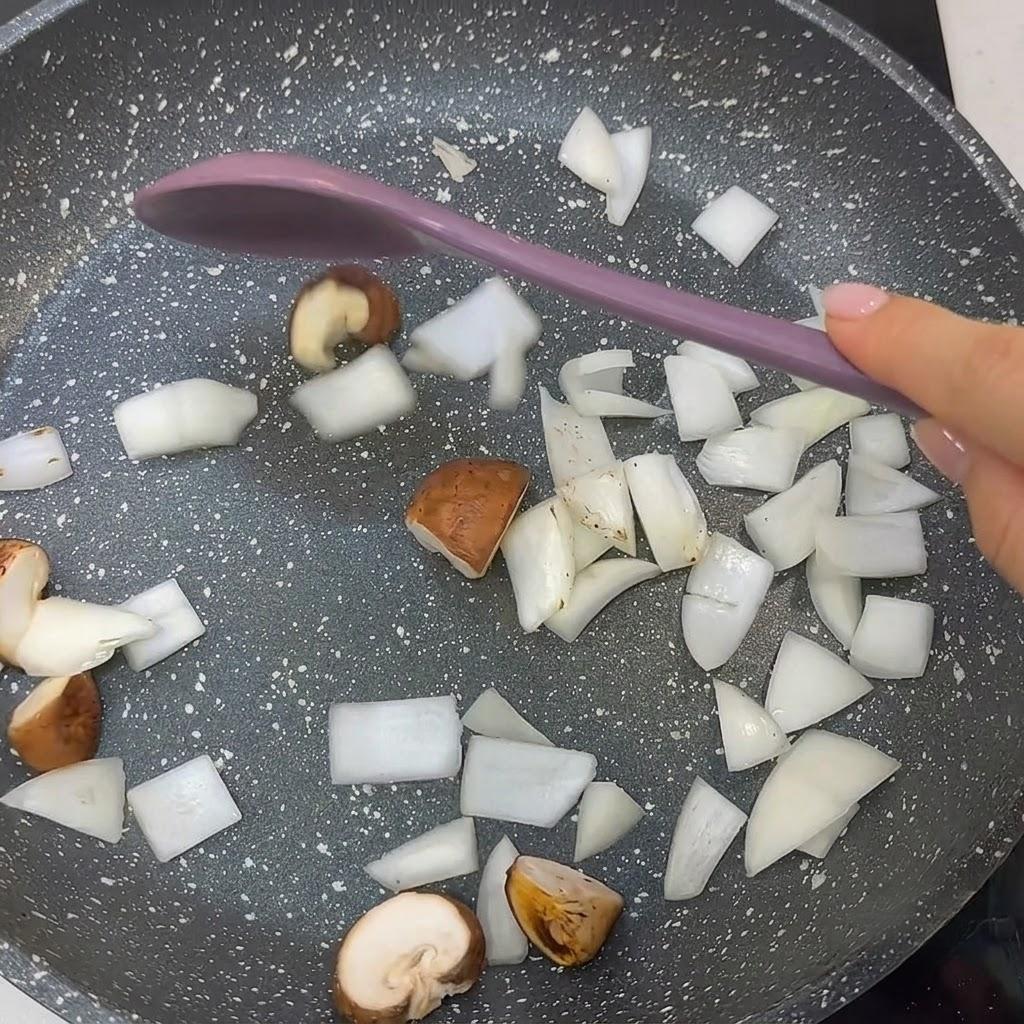
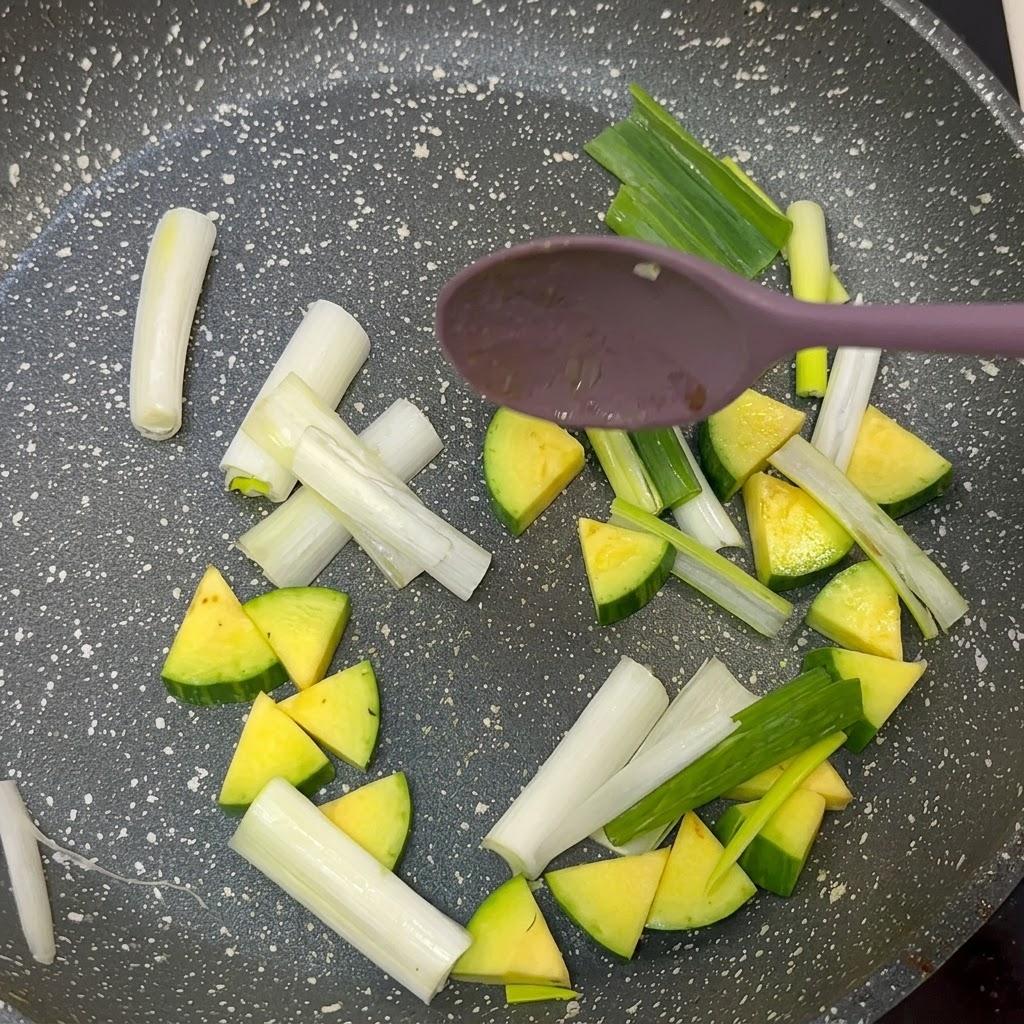
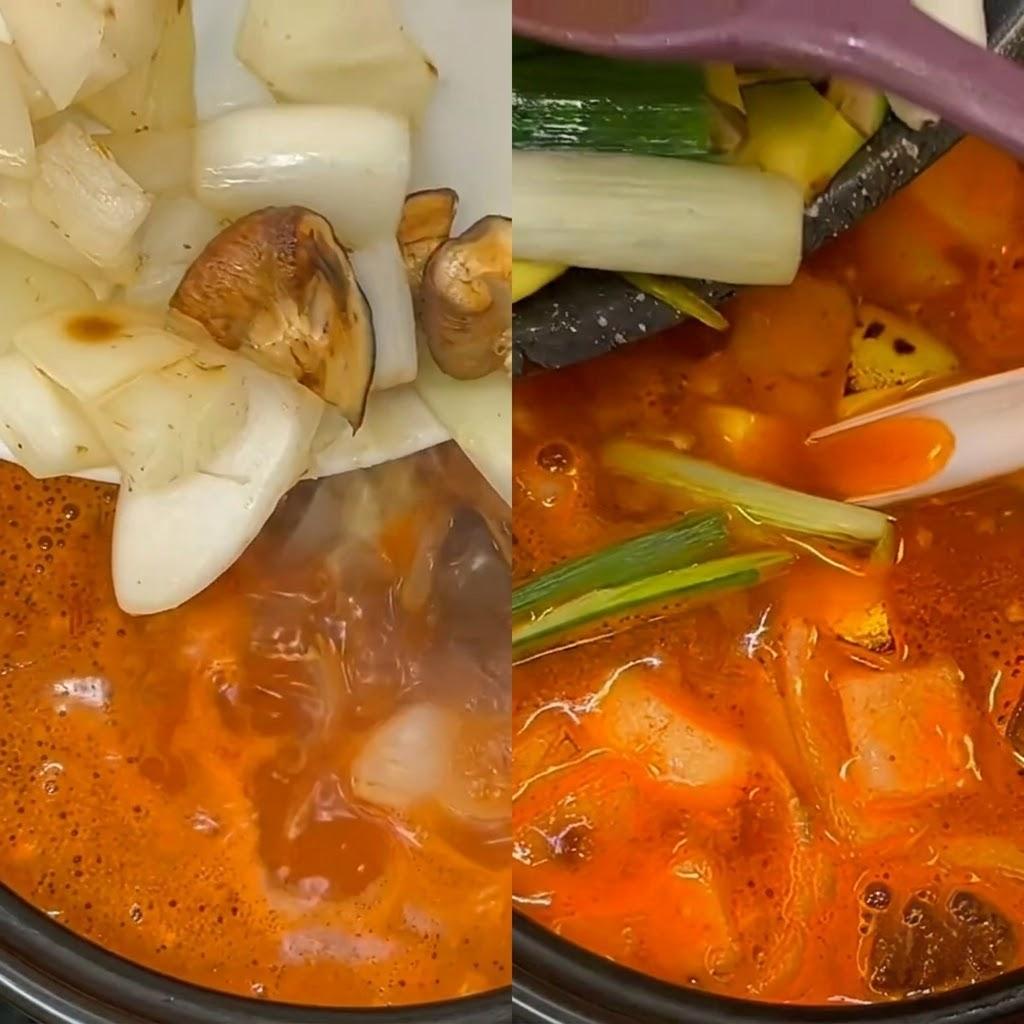
In the same skillet with rendered pork fat, toss in diced potatoes with a light sprinkle of salt and sear until edges turn translucent. Add mushrooms, onions, zucchini, and green onions. Flash-fry over high heat for 1–2 minutes to brown the edges slightly. (Tip: Pre-searing prevents vegetables from becoming mushy and locks in sweet flavor!)
Step 3: Build & Simmer the Broth
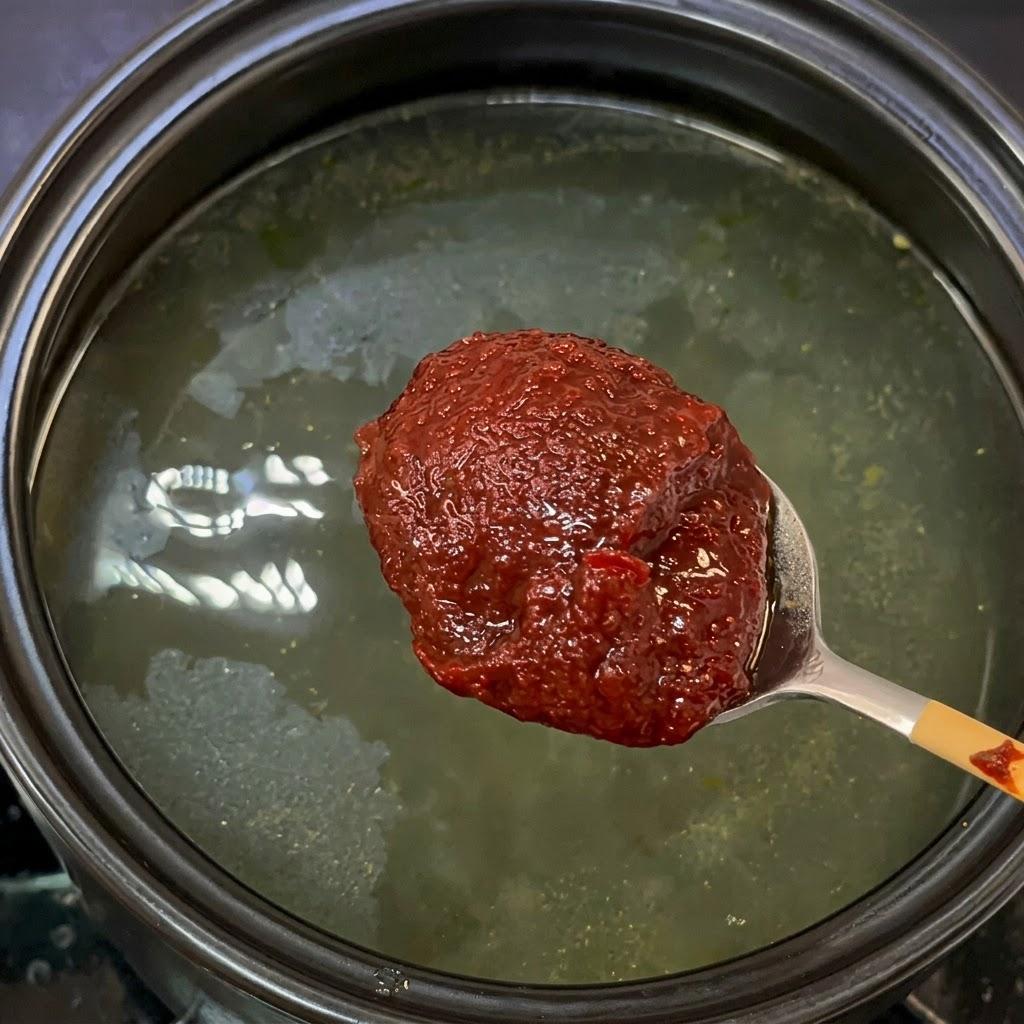
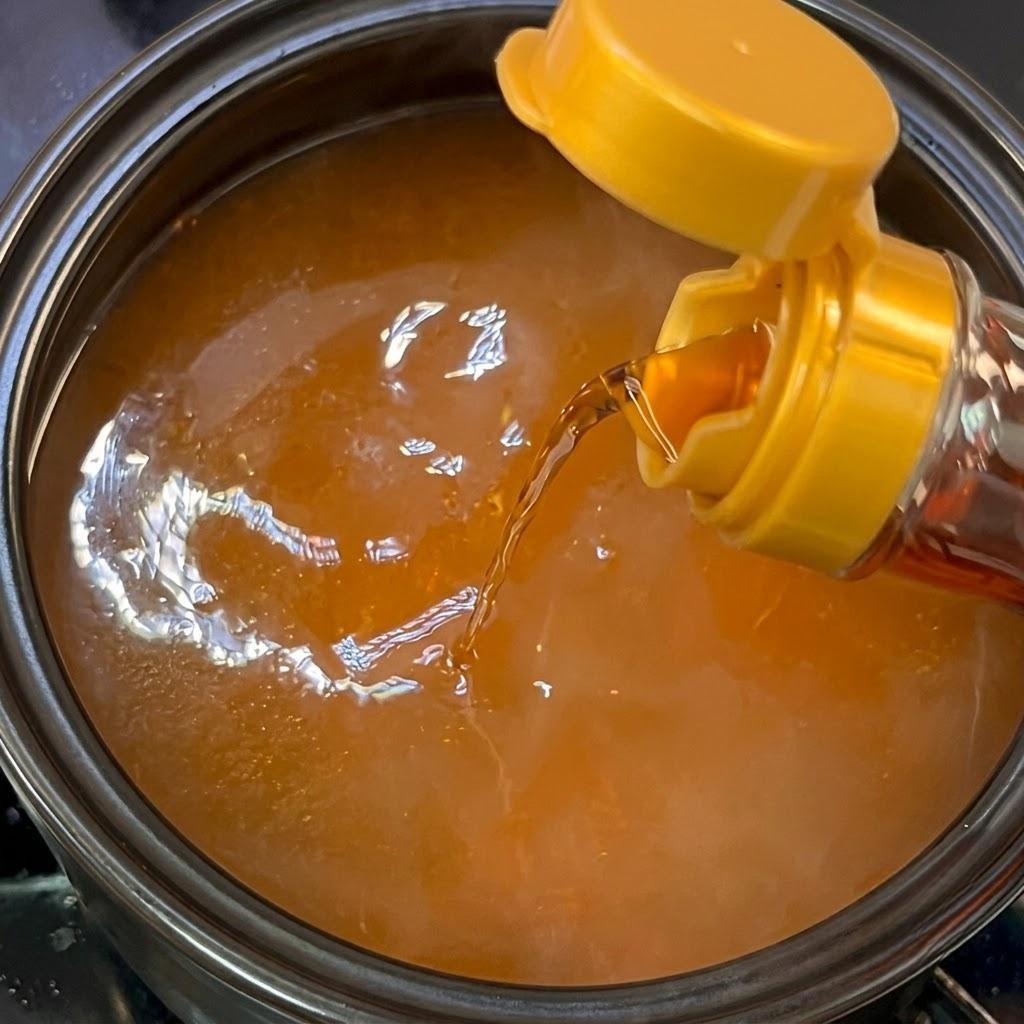
In a soup pot, pour in 1.5 to 2 cups of water or broth. Whisk in 1.5 tbsp Gochujang (South Korea) and 1 tbsp fish sauce (South Korea) until completely dissolved. Bring to a boil, then stir in the seared pork belly, seared potatoes, and minced garlic. Reduce heat to medium and simmer for 5–7 minutes until potatoes are fork-tender.
Step 4: Add Seared Tofu, Remaining Veggies & Finish
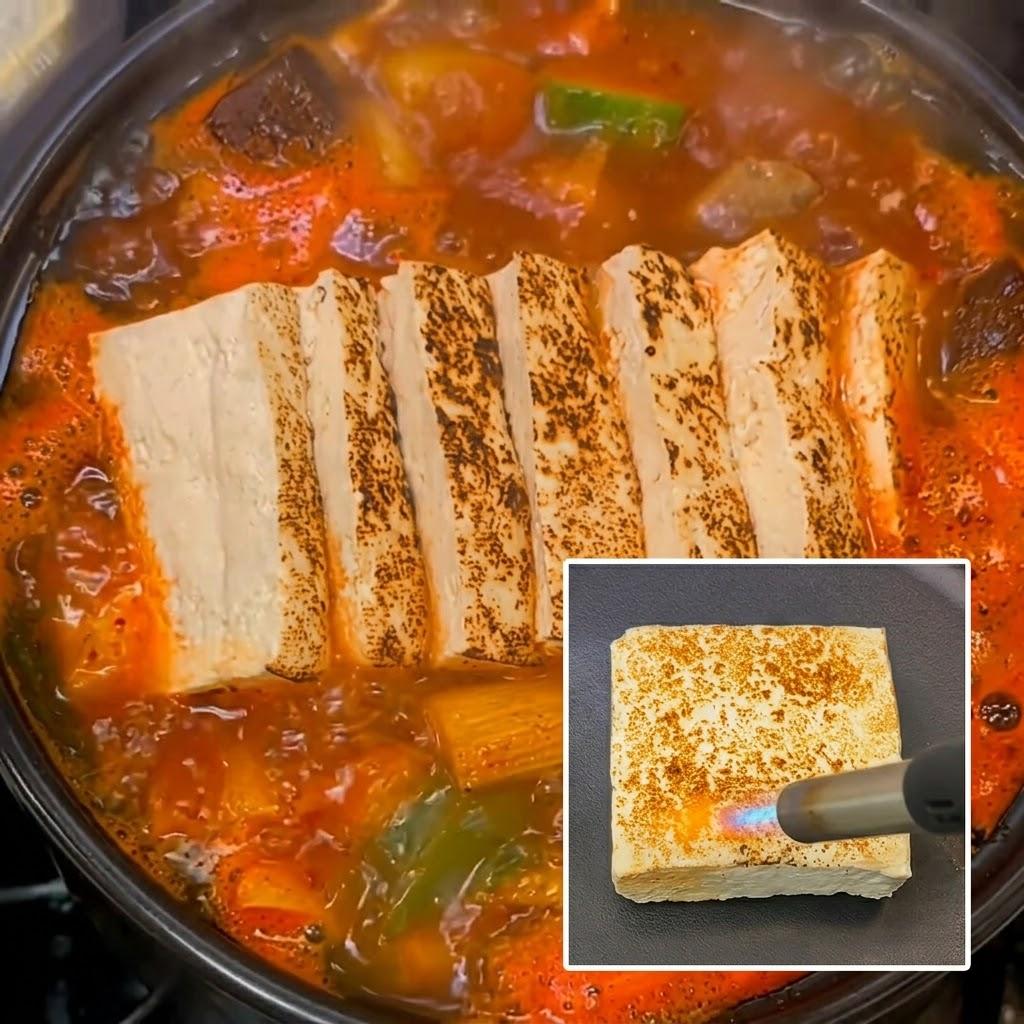
Add seared vegetables, sliced tofu (torched or lightly pan-seared for extra smokiness!), Gochugaru (South Korea), and chopped chili peppers. Simmer for another 3–5 minutes to allow flavors to combine. Serve bubbling hot over a steamy bowl of rice!
💡 Pro Chef Tips for Best Results
Sear Every Ingredient First: Don't just boil meat and raw veggies in water! Searing pork belly and veggies triggers the Maillard reaction, caramelizing natural sugars and creating an extraordinarily savory, smoky base for your soup broth.
Blowtorch or Pan-Sear the Tofu: Lightly charring tofu with a kitchen torch or searing it in a skillet before adding to the stew creates a smoky aroma while helping tofu absorb the broth deeply without crumbling.
❓ Frequently Asked Questions (FAQ)
Q: What if my stew turns out too salty or intense?
A: Gochujang brands vary in sweetness and salinity. If the broth feels too concentrated, simply add 1/4 cup (50–60ml) of hot water or stock, or add extra sliced radish/tofu to balance out the richness.
Q: Can I substitute pork belly with other protein?
A: Absolutely! Canned Spam (South Korea) or canned tuna packed in oil are incredible substitutes. If using canned tuna, pour in the oil from the can as well—it adds amazing depth!
Q: How do I store leftovers and repurpose them?
A: Cool completely and store in an airtight container in the fridge for up to 2 days. For a second-day treat, toss leftover stew broth with cooked udon noodles or make Korean Fried Rice (Kimchi Bokkeumbap style) with rice, sesame oil, and crispy seaweed!
📌 Wrap-Up & Save This Recipe
Making a restaurant-grade Korean Gochujang Stew doesn't require complex ingredients or hours in the kitchen—just a quick pre-searing step unlocks incredible flavor depth. Give this budget-friendly stew a try tonight! Don't forget to bookmark this page and share it with your friends!
More Budget-Friendly Recipes
Looking for more quick, delicious, and budget-friendly bowl recipes? Check out our reader favorite:
🍖 10-Minute Spicy Korean Fish Cake Ramen (Upgraded Neoguri Hack!)
🛒 Shop Key Asian Pantry Ingredients & Grocery Deals Online
Order authentic Gochujang chili paste, specialty condiments, and fresh groceries delivered right to your door in the US!
* This post contains affiliate links; we may earn a small commission from qualifying purchases.
Comments
Post a Comment